Owning an older home can be both rewarding and challenging. While older properties often have unique charm and character, they also require diligent maintenance, particularly in Florida, where weather conditions can be tough on a home’s essential systems. That’s where a 4-point inspection comes in.
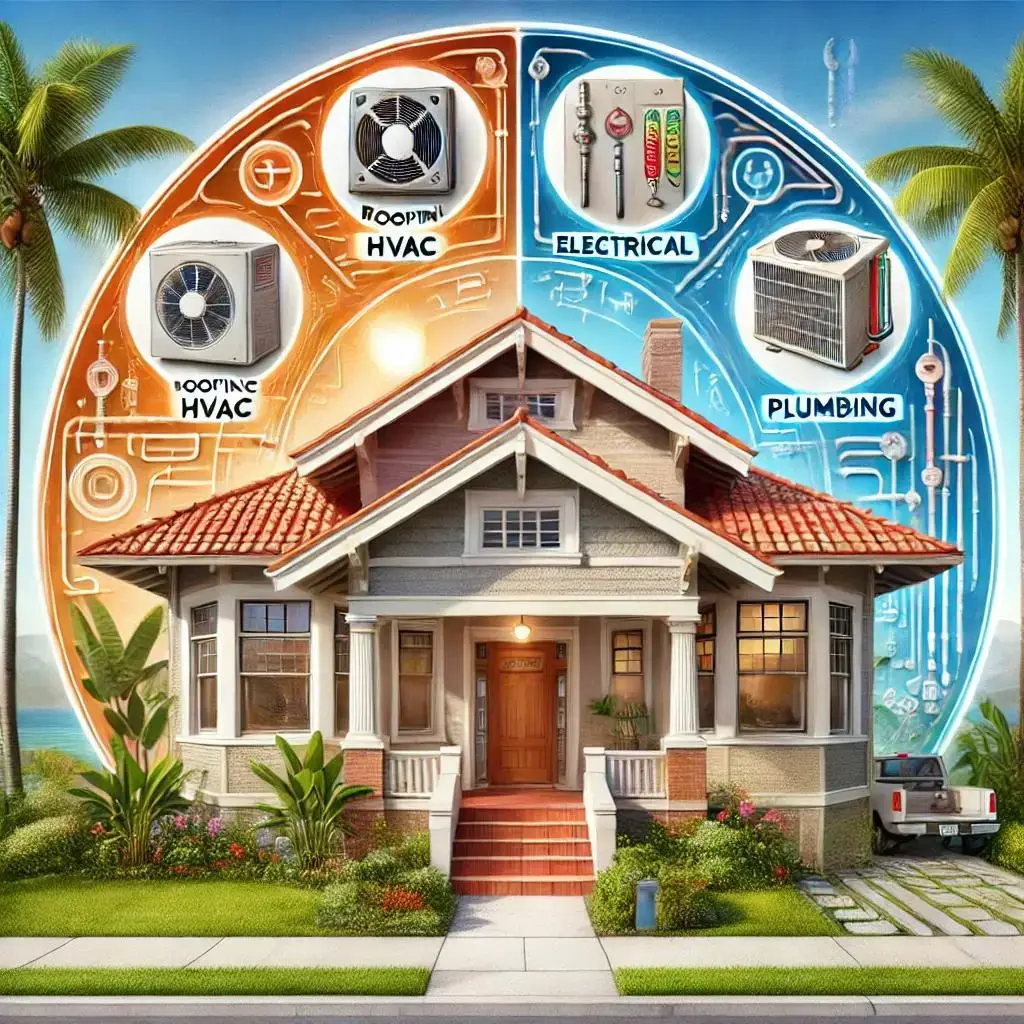
A 4-point inspection is a focused assessment of four primary systems in a property: roofing, HVAC, electrical, and plumbing. For homeowners in Florida—especially those with older homes—this type of inspection is often required by insurance companies to confirm the property’s safety and functionality. By identifying potential issues early, a 4-point inspection provides valuable insights that help homeowners avoid costly repairs down the road.
In this post, we’ll explore the top five benefits of 4-point inspections, explain each component of the inspection, and offer practical advice on preparing for your own inspection to ensure the longevity and safety of your home.
What Is a 4-Point Inspection and Why Is It Required in Florida?
A 4-point inspection is a targeted inspection that assesses the four critical systems of a property: roofing, HVAC (heating, ventilation, and air conditioning), electrical, and plumbing. Unlike a full home inspection, which covers a wide range of property features, a 4-point inspection zeroes in on the systems essential to a home’s safety and insurability. For older homes in Florida, this inspection is particularly important due to the weather’s impact on building materials and the insurance industry’s risk assessment needs.
Florida’s unique climate—with high humidity, intense heat, and the potential for hurricanes—can put significant strain on a home’s essential systems. Insurance companies often require a 4-point inspection to assess the risk involved in insuring a property. The inspection helps ensure the property meets specific standards, minimizing the likelihood of future claims due to system failures.
Real-Life Scenario: Imagine a homeowner in Florida who recently purchased an older property. During the 4-point inspection, the inspector identifies outdated wiring that doesn’t meet modern safety standards. By catching this issue early, the homeowner avoids a potential fire hazard and the costly repairs that could have resulted from undetected electrical problems. This scenario highlights the importance of a 4-point inspection in identifying issues before they escalate.
Schedule Your 4-Point Inspection Today
Don’t wait for issues to arise! Book a 4-point inspection to keep your home’s essential systems in top shape.5 Benefits of a 4-Point Inspection Every Homeowner Should Know
Benefit #1: Helps Meet Home Insurance Requirements for Older Homes
A major benefit of a 4-point inspection is that it helps homeowners meet insurance requirements, which is essential for securing or renewing home insurance coverage for older homes. Many insurance companies in Florida require a 4-point inspection for homes over 30 years old. The inspection provides an overview of the home’s most critical systems, helping insurers assess the home’s insurability.
For homeowners, a successful inspection can lead to lower insurance premiums by demonstrating that the home is well-maintained and low-risk. This inspection can provide both insurers and homeowners with confidence in the home’s condition, which can make a significant difference when it comes to insurance eligibility and rates.
Benefit #2: Ensures Safety and Functionality of Essential Systems
One of the key purposes of a 4-point inspection is to ensure that a home’s primary systems are safe and functional. Each system plays a vital role in the property’s livability and safety:
Roofing: A benefits roof inspection assesses the roof’s age, structural integrity, and ability to withstand Florida’s weather conditions. It identifies issues like missing shingles, leaks, or other vulnerabilities that can be especially problematic during Florida’s storm season.
HVAC: Inspecting the heating, ventilation, and air conditioning systems ensures they are working efficiently, which is crucial in Florida’s hot and humid climate. A malfunctioning HVAC system can lead to discomfort and even health issues in extreme heat.
Electrical: The electrical component of the inspection checks wiring, breaker panels, and overall safety. Older homes often have outdated electrical systems, which can pose a significant risk. Ensuring the electrical system meets current safety standards is essential to prevent hazards.
Plumbing: The plumbing inspection checks the condition of pipes, connections, and fixtures. Older plumbing systems can develop leaks, corrosion, or blockages that, if undetected, could lead to water damage and mold growth.
Florida-Specific Risks: In Florida, high humidity, heat, and salt exposure can significantly impact these systems, making regular checks essential. A 4-point inspection helps homeowners address these climate-related challenges proactively.
Benefit #3: Identifies Potential Issues Early to Avoid Major Repairs
A proactive 4-point inspection can catch small problems before they become costly repairs. For example, a minor roof leak or slightly outdated wiring may seem insignificant initially but can lead to serious damage if left unaddressed. By identifying issues early, homeowners can plan for repairs or updates before problems escalate.
Regular 4-point inspections provide insight into the current state of each system, enabling homeowners to make informed maintenance decisions. This approach helps avoid costly emergency repairs and extends the life of the home’s essential systems, saving both time and money.
Schedule Your 4-Point Inspection Today
Don’t wait for issues to arise! Book a 4-point inspection to keep your home’s essential systems in top shape.Benefit #4: Increases Property Value and Marketability for Older Homes
A 4-point inspection provides valuable documentation of a home’s condition, which can increase its marketability and appeal to potential buyers. For buyers, purchasing an older home with a clean inspection report offers reassurance that the home’s key systems are in good condition.
Addressing minor issues identified in the inspection can further improve the property’s value, making it more attractive to prospective buyers. A well-maintained home with verified systems in place can command a higher price in the real estate market and offer sellers a smoother, more efficient transaction process.
Benefit #5: Offers Peace of Mind for Homeowners
Beyond meeting insurance requirements and increasing marketability, a 4-point inspection provides homeowners with peace of mind. Knowing that a professional has assessed the safety and functionality of critical systems ensures that the home remains a safe and comfortable place to live.
Homeowners gain confidence in their property’s resilience, knowing that potential risks have been identified and addressed. Regular 4-point inspections offer assurance that the home remains in optimal condition, helping homeowners enjoy their property worry-free.
Detailed Breakdown of Each Component in a 4-Point Inspection
To offer readers an in-depth understanding, here’s a closer look at each area covered by a 4-point inspection:
Roofing: Inspectors evaluate the roof’s age, condition, and any signs of damage. This is crucial in Florida, where roofing materials face harsh weather, humidity, and UV exposure.
HVAC: The inspection assesses the heating, ventilation, and cooling systems, ensuring they can handle Florida’s climate. The HVAC system is checked for age, condition, and efficiency to avoid high energy costs and potential breakdowns.
Electrical: Inspectors look at wiring, circuit panels, and overall system safety, ensuring that everything meets modern standards to prevent hazards in older homes.
Plumbing: Plumbing systems are evaluated for pipe condition, water pressure, and signs of leaks or corrosion, which can prevent future water damage and improve system longevity.
Schedule Your 4-Point Inspection Today
Don’t wait for issues to arise! Book a 4-point inspection to keep your home’s essential systems in top shape.How to Prepare for a 4-Point Inspection
Preparing for a 4-point inspection can be straightforward. Homeowners can take steps like:
- Scheduling minor repairs before the inspection
- Clearing clutter around inspection points
- Organizing any documentation of upgrades or recent repairs
Finding Reliable Inspectors: Look for state-certified inspectors, check reviews, or ask for referrals from your insurance provider to ensure you’re working with a reputable professional.
Conclusion
A 4-point inspection offers Florida homeowners invaluable insights into the condition of their property. By focusing on the essential systems—roofing, HVAC, electrical, and plumbing—this inspection helps homeowners stay compliant with insurance requirements, avoid major repairs, and enjoy peace of mind. Scheduling a 4-point inspection proactively ensures your home remains safe, functional, and valuable, helping you protect your investment and enjoy your property with confidence.