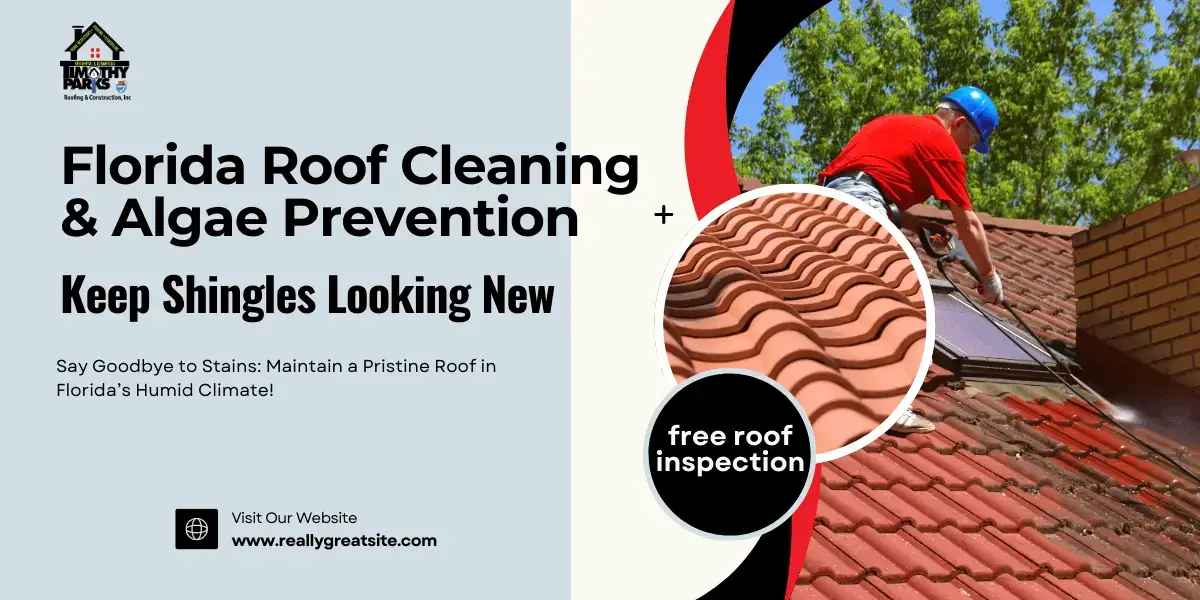
🏠 If you’ve spotted dark streaks or greenish patches on your Florida roof, you’re not alone. Algae, mold, and mildew thrive in the Sunshine State’s humid, warm climate—often leaving shingles stained and homes looking less than their best. Beyond aesthetics, unchecked organic growth can prematurely age roofing materials and compromise performance. Thankfully, regular cleaning and preventive strategies can banish these unwanted “guests” and keep your roof looking like new. In this blog, we’ll explore effective, safe roof cleaning methods, discuss how to choose algae-resistant shingles, and offer tips to maintain a spotless roof in Florida’s challenging conditions.
Why Algae & Mildew Flourish on Florida Roofs
1. High Humidity & Heat
Moisture Retention: Rainy seasons and coastal humidity let algae spores settle and multiply.
Warm Surface Temperatures: Sun-heated shingles create a breeding ground for certain microbes.
2. Shaded Roof Areas
Trees & Overhangs: Provide cooler, damp spots where algae can colonize.
Inadequate Sunlight: Portions of the roof that never fully dry become prime territory for mold or mildew.
3. Nutrient-Rich Shingle Fillers
Limestone Content: Many asphalt shingles use limestone as a filler; algae can feed off this mineral source.
Surface Debris: Leaves, pine needles, and dust can accumulate, fostering organic growth.
Risks of Ignoring Algae & Organic Growth
1. Reduced Curb Appeal
Dark Streaks & Stains: Visually unappealing, diminishing a home’s perceived value.
Neighborhood Standards: Some HOAs issue warnings or fines for visibly dirty roofs.
2. Shingle Deterioration
Granule Loss: Algae-laden shingles may lose protective granules faster, shortening roof life.
Accelerated Aging: Retained moisture can cause curling, cracking, or warping over time.
3. Potential Heat Absorption
Energy Costs: Dark algae stains absorb more heat, raising attic temperatures and hiking up air conditioning usage.
Moisture-Driven Mold: Damp roofs can lead to mildew spreading into attics, risking insulation damage and indoor air quality issues.
Safe Roof Cleaning Methods
1. Low-Pressure Washing
Technique: Uses a specialized nozzle to gently rinse away algae without dislodging shingle granules.
Solution Mix: Often a blend of water, sodium hypochlorite (bleach), and mild detergents.
Caution: Too much pressure can strip granules or force water under shingles. A professional who understands the right psi level is crucial.
2. Soft Washing
Extended Soak: Chemical solutions are sprayed onto the roof and left to dissolve algae before rinsing.
Minimal Mechanical Force: Relies on detergents and disinfectants rather than high-pressure blasting.
Eco Considerations: Ensure runoff is directed away from plants or use biodegradable products.
3. DIY Bleach Solutions
Household Bleach & Water: Some homeowners use a garden sprayer with a 50/50 bleach-water mix.
Safety Precautions: Wear goggles, gloves, and protect landscaping.
Limitations: Bleach can kill algae but doesn’t always remove heavily embedded dirt or moss. Overuse can degrade shingles if not rinsed properly.
Algae-Resistant Shingles & Preventive Measures
1. Copper or Zinc Strips
Metal Ions: Tiny amounts of copper or zinc wash down the roof during rain, inhibiting algae growth.
Installation: Strips are placed near the ridge; water flows over them, carrying anti-algae ions across the shingles.
2. Algae-Fighting Shingles
Copper-Infused Granules: Major shingle manufacturers offer lines that include copper or zinc in the granule mix.
Extended Warranty: Often come with longer algae-free guarantees—5, 10, or even 15 years.
Cost-Benefit: Initial expense may be higher, but savings on cleaning can offset costs over time.
3. Trimming Overhanging Branches
Sunlight & Airflow: More exposure to direct sun can keep the roof surface drier, slowing algae spread.
Less Debris Accumulation: Fewer leaves on the roof means fewer places for moisture to collect.
4. Gutter Maintenance
Free Flow of Water: Clean gutters prevent water from backing up onto shingles.
Reduced Organic Matter: Debris-free gutters limit leaf compost from feeding algae near the roof edge.
Step-by-Step Roof Cleaning Process
1. Inspection & Setup
Identify Damage: Check for cracked or missing shingles that may worsen with cleaning.
Safety Measures: Use a sturdy ladder, non-slip shoes, and a harness if needed. Surround landscaping with tarps if using bleach-based solutions.
2. Apply Cleaning Solution
Mix Ratio: Typically 1 part bleach to 1 or 2 parts water, plus a surfactant (soap) for cling.
Soak Time: Allow 10–20 minutes for the solution to penetrate algae. Reapply to stubborn areas.
Avoid Drying: Don’t let the solution dry on the roof; it can leave residue or streaks. Lightly mist if needed.
3. Gentle Rinsing
Low Pressure or Hose: Rinse from the top down to avoid forcing water under shingles.
Spot Check: Scrub persistent algae patches with a soft-bristle brush. Avoid wire brushes that can damage granules.
4. Post-Cleaning Inspection
Check for Missed Spots: Re-treat any lingering stains or heavily soiled zones.
Clear Downspouts & Gutters: Flush out debris that may accumulate post-cleaning.
Patience: Roof color can continue brightening over a few days as residual algae dies off.
Maintenance Schedules & Best Practices
1. Annual or Biannual Inspections
Early Detection: Catch small algae colonies before they spread.
Storm Debris Removal: Clear branches and leaves after severe weather, reducing moisture traps.
2. Routine Gutter Cleaning
Twice a Year: Spring and fall cleanings help ensure water flows away from the roof.
In Florida: Might need more frequent checks during rainy season or if trees heavily shade your roof.
3. Use a Professional Service
Licensed & Insured: Ensures safe, effective methods without damaging shingles.
Warranty Compliance: Some roofing warranties demand professional cleaning or specific low-pressure techniques.
4. Record-Keeping
Before & After Photos: Helps track progress and identifies repeating trouble spots.
Product Info: Keep receipts or notes on cleaning solutions or algae-resistant shingles installed.
Conclusion
🏠 In Florida’s warm, humid climate, roof cleaning and algae prevention aren’t just about curb appeal—they’re crucial for protecting your shingles’ integrity and extending their lifespan. Fortunately, a combination of gentle cleaning techniques, algae-resistant materials, and proactive maintenance can keep those dark streaks at bay. Whether you choose a DIY approach with household bleach or hire professionals for a soft wash, always prioritize safety and shingle preservation. And if you’re due for a roof replacement, consider upgrading to copper- or zinc-infused products. By taking these steps, you’ll maintain a spotless, efficient roof that withstands the Sunshine State’s relentless moisture and heat for years to come.
Frequently Asked Questions (FAQ)
1Can I use a pressure washer on my roof?High-pressure washers risk shingle damage. Low-pressure or soft wash methods are safer to avoid stripping granules or forcing water under shingles.2Are algae stains harmful to my roof’s structure?Over time, algae can hasten wear by trapping moisture. While primarily a cosmetic issue, ignoring it can lead to shorter shingle lifespan.3How often should I clean my Florida roof?Many homeowners find a deep cleaning every 1–3 years is sufficient, but this can vary based on humidity, shade, and debris levels.4Do algae-resistant shingles guarantee I’ll never get streaks?They greatly reduce the likelihood and rate of algae growth, but in extreme conditions, some staining can still occur. Maintenance remains key.5Will installing copper or zinc strips change my roof’s color?Typically no. The metal ions released are minimal and mostly invisible. Their main purpose is to inhibit algae growth when it rains.Ready to Tackle Algae?
Have questions about roof cleaning solutions or looking for the best algae-resistant shingles? Share your thoughts below! Don’t forget to tag us with:
#tproco #tppro #tprci #urro #rrfl
#RoofCleaning #AlgaeControl #FloridaHomes#TampaDIY #OrlandoMaintenance #SunshineStateCare
Schedule a Roof InspectionAbout the Author

Timothy Parks
CEO
With 45+ years in construction and roofing—29 of them focused on Florida’s unique challenges—Timothy Parks holds licenses CBC059592 (Builder), CCC1327217 (Roofer), and HI4878 (Home Inspector). Outside of keeping roofs clean and functional, Timothy promotes mountain bike races to unite Floridians in fun, healthy outdoor events.