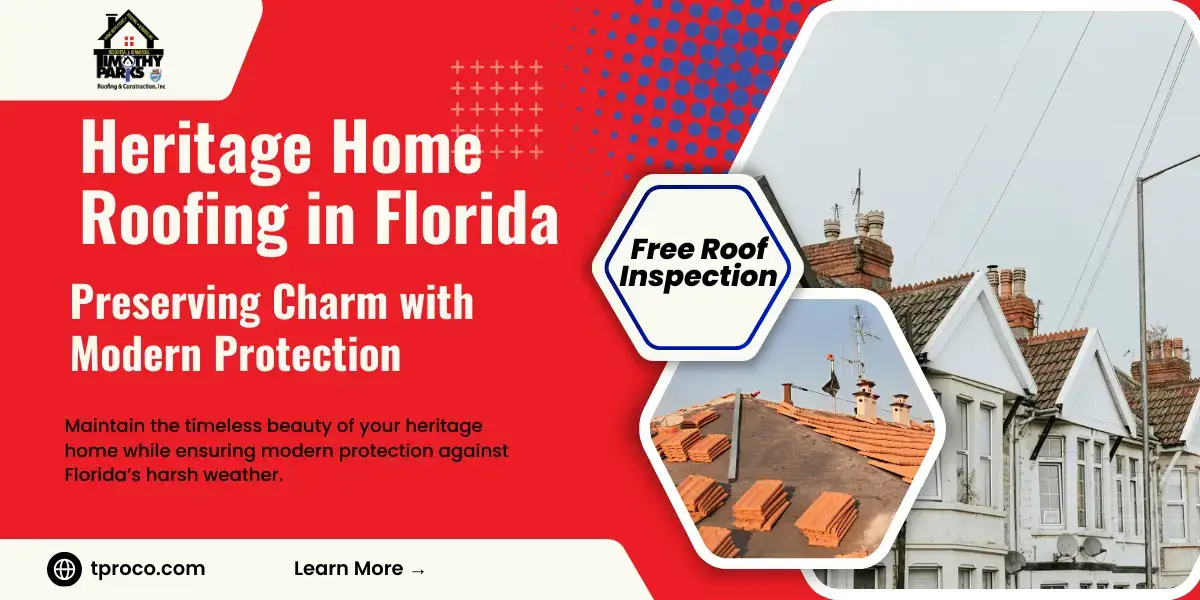
Historic homes in Florida carry a unique charm—ornate architectural details, grand porches, and timeless craftsmanship. Yet when it comes to roofing, these heritage properties often need extra care to preserve their authentic look and structural integrity. From rotting wood shingles to outdated materials that can’t withstand Florida’s severe weather, you’ll face challenges blending aesthetic requirements with modern code compliance. In this blog, we’ll explore strategies for choosing appropriate materials, meeting local preservation guidelines, and ensuring that your heritage home’s new roof provides lasting protection without sacrificing its historical essence.
Understanding the Constraints of Historic Homes
Renovating a vintage property often requires navigating a maze of regulations and structural limitations:
1. Preservation Guidelines
Local Historical Commissions: Certain neighborhoods or cities have strict rules on roof materials, colors, or shapes to maintain the historic streetscape.
National Register of Historic Places: If your home is listed, additional federal guidelines may also apply.
2. Existing Structure & Materials
Old Rafters & Decking: Over time, wood can weaken from moisture, termites, or general decay.
Non-Standard Dimensions: Lumber sizes and spacing may differ from modern norms, complicating the installation process.
3. Building Codes & Wind Standards
Florida’s High-Velocity Hurricane Zones: Even heritage homes must meet or exceed codes for wind uplift and water resistance.
Bringing Systems Up to Code: Upgrades like hurricane straps or reinforced decking might be mandatory when replacing the roof.
Material Options for Historical Accuracy & Durability
Wood Shakes or Shingles
Period Authenticity: Many older Florida homes originally used cedar shakes.
Modern Treatments: Pressure-treated or synthetic versions can improve rot and insect resistance.
Maintenance Need: Wood requires frequent upkeep and may have shorter lifespans in humid climates.
Slate & Imitation Slate
Timeless Elegance: Slate was popular for high-end properties.
Weight Factor: Real slate is extremely heavy, so ensure your roof structure can support it.
Synthetic Alternatives: Offer a similar look with less weight, often made from recycled materials.
Metal Roofing (Standing Seam or Stamped Profiles)
Historic Regions: In some Florida areas, metal roofs date back a century, especially in coastal towns.
Longevity & Wind Resistance: Modern metal roofs can fit old-world aesthetics while delivering top-notch storm performance.
Aesthetic Adaptations: Some manufacturers offer stamped metal shingles resembling wood or slate.
Clay or Concrete Tiles
Classic Spanish Influence: Fits well with Mediterranean Revival or Mission-style homes.
Material Weight: Like slate, clay or concrete tiles demand structural reinforcement.
Color & Shape: Many historic commissions require specific tile styles to maintain authenticity.
Balancing Preservation with Modern Upgrades
1. Hidden Reinforcements
Underlayment: Peel-and-stick membranes or synthetic underlayments can offer modern waterproofing without altering visible aesthetics.
Hurricane Straps & Clips: Tucked away in the attic, these reinforcements don’t affect the home’s exterior character.
2. Attic Ventilation & Insulation
Discrete Vents: Ridge or soffit vents can be subtle but effective in reducing heat and moisture.
Interior Insulation: Blown-in or spray foam insulation keeps the roof deck cooler, prolonging shingle life.
3. Color Matching & Patina
Natural Weathering: Some materials, like copper or cedar, develop an aged patina that complements historic architecture.
Stains & Sealants: If you need to replicate an older roof’s coloration, tinted finishes can help achieve the desired look without sacrificing performance.
Ensuring Code Compliance
1. Permits & Inspections
Local Building Department: Even if your home has special historic status, you’ll still need to file for roof replacement permits.
Multiple Approvals: Expect both a historical commission review and a building code inspection. Factor extra time into your project schedule.
2. High-Velocity Hurricane Zone (HVHZ) Requirements
South Florida Standards: Miami-Dade and Broward counties have particularly stringent rules for wind uplift.
Product Approvals: Check if your chosen materials have the Florida Product Approval or Miami-Dade NOA (Notice of Acceptance).
3. Structural Upgrades
Retrofit Hurricane Straps: Secure rafters to wall plates to handle extreme wind loads.
Sheathing Replacement: If the roof deck is old or rotted, new plywood or oriented strand board (OSB) may be needed for compliance.
Tips for a Seamless Renovation Process
1. Consult Heritage Specialists Early
Architectural Historians: They can guide material selection, ensuring your roof fits the home’s era.
Experienced Contractors: Seek roofers who specialize in historic restorations—knowledge of local guidelines is crucial.
2. Document Existing Conditions
Photos & Sketches: Before you start, record the original roof details, color, and condition.
Samples: If possible, keep pieces of old shingles or tiles for reference when matching new materials.
3. Budget for Surprises
Hidden Damage: Rotted rafters, outdated wiring, or termite damage can remain undetected until the old roof is removed.
Extended Timelines: Coordinating with historical boards or waiting for specialized materials can slow progress.
4. Consider Phased Repairs
Section-by-Section Approach: If the roof is large or resources are limited, prioritize the most vulnerable areas first.
Grant Opportunities: Some historic preservation grants or tax credits may offset renovation costs if you meet specific criteria.
Conclusion
🏰 Re-roofing a historic Florida home is a delicate dance between honoring the past and safeguarding the future. With the right approach, you don’t have to choose between preserving architectural authenticity and enjoying modern storm protection. By incorporating hidden reinforcements, carefully selecting period-appropriate materials, and adhering to strict building codes, you can create a roof that stands strong against hurricanes while retaining the character that makes heritage homes so cherished. And though the process may require extra research, specialized contractors, and patience, the result—a timeless home that respects its roots while meeting today’s performance standards—is undeniably worth the effort.
Frequently Asked Questions (FAQ)
1Do I need special permission to use modern underlayment on a historic roof?In most cases, no. Underlayment isn’t typically visible, so historical boards focus on the roof’s external appearance. However, always verify with local authorities.2Will installing metal roofing ruin my home’s historic integrity?Not necessarily. Metal roofs have existed in parts of Florida for over a century. Choose a style that matches your home’s era or region.3Are there grants for historic roof restorations?Some local or state programs offer financial assistance. Check with your city’s historical preservation office or local nonprofits for potential grants or tax breaks.4Can I reuse original materials to maintain authenticity?Potentially. Salvaged tiles or slate can preserve character, but inspect them for cracks or wear. Pair them with modern underlayment to enhance durability.5How do I find a contractor experienced with historic properties?Ask local historic preservation groups for recommendations. Look for contractors who specifically list heritage homes in their portfolio and can navigate both code and aesthetic requirements.Ready to Restore Your Historic Roof?
Have a tip or question about heritage home renovations? Share your experiences in the comments! Don’t forget to tag us on social media using:
#tproco #tppro #tprci #urro #rrfl
#HistoricHomes #RoofRestoration #FloridaArchitecture#TampaHistory #OrlandoRenovations #SunshineStateHeritage
Schedule a Roof InspectionAbout the Author

Timothy Parks
CEO
With 45+ years in construction and roofing—29 of them devoted to Florida’s unique demands—Timothy Parks holds multiple licenses (CBC059592, CCC1327217, HI4878) and a passion for preserving local heritage. When he’s not restoring historic homes or building storm-resistant roofs, Timothy promotes mountain bike races, bringing community members together on scenic trails.