When it comes to low-slope and flat roofs, EPDM roofing stands out as one of the most durable and cost-effective solutions. With over 60 years of proven performance, EPDM (Ethylene Propylene Diene Monomer) has become a preferred roofing material for residential and commercial buildings.
In this guide, we’ll explore the essentials of EPDM roofing, including its materials, benefits, installation methods, and maintenance tips. Whether you're considering a new roof or looking to upgrade, this guide will help you make an informed decision.
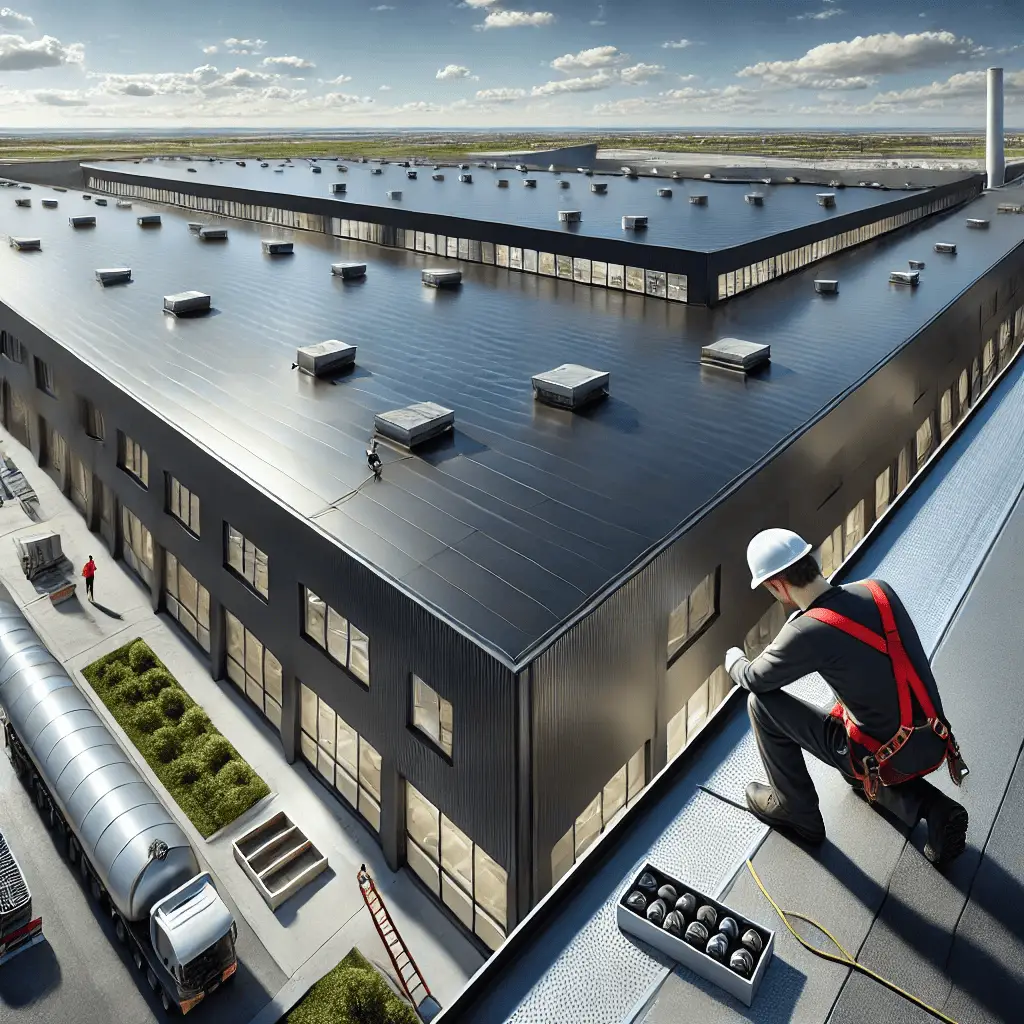
What is EPDM Roofing?
EPDM (Ethylene Propylene Diene Monomer Roofing) is a synthetic rubber roofing membrane designed for flat and low-slope roofs. Its primary ingredients, ethylene and propylene, are derived from oil and natural gas.
Key Characteristics of EPDM:
- Available in black or white colors.
- Produced in a range of widths (7.5 to 50 feet) and thicknesses (45, 60, 75, and 90 mils).
- Installed in a single layer, making it lightweight and easy to apply.
EPDM membranes are highly versatile and can be installed using different methods such as adhesives, mechanical fasteners, or ballasting.
Why Choose EPDM Roofing?
EPDM roofing offers several advantages that make it a top choice for many property owners.
1. Cost-Effectiveness
EPDM is one of the most affordable roofing materials, with costs ranging from $4 to $10 per square foot, depending on the membrane thickness and installation method. Its long lifespan makes it a cost-efficient investment.
2. Durability
EPDM roofs are known for their resilience against extreme weather conditions, including hail, heavy winds, and UV rays. With proper care, they can last up to 50 years.
3. Energy Efficiency
- Black EPDM: Absorbs heat, making it ideal for colder climates.
- White EPDM: Reflects sunlight, reducing cooling costs in warmer climates.
4. Ease of Installation
The lightweight nature of EPDM membranes allows for quick installation. Wider rolls minimize seams, reducing the chances of leaks and cutting down on labor costs.
5. Environmentally Friendly
EPDM roofing is 100% recyclable and has a low environmental impact during manufacturing.
EPDM Roofing Materials
EPDM roofing systems consist of multiple layers designed to maximize durability and performance:
- Base Layer: Provides flexibility and strength.
- Middle Layer: Fire-retardant for enhanced safety.
- Top Layer: Reinforced with polyester fiber for additional durability.
- Optional White Layer: Improves UV resistance and energy efficiency.
EPDM Membrane Thickness and Colors
Choosing the right thickness and color for your EPDM roof depends on your specific needs and location.
Membrane Thickness
- 45 mils: Suitable for moderate climates with low risk of damage.
- 60 mils: A common choice for additional durability.
- 90 mils: Ideal for high-risk zones prone to severe weather conditions.
Color Options
- Black EPDM: Absorbs heat and is ideal for cold climates.
- White EPDM: Reflects sunlight and is perfect for warm, sunny areas like Central Florida.
EPDM Roofing Installation Methods
There are three primary methods to install EPDM roofing:
1. Fully Adhered
The membrane is glued directly to the insulation layer, providing superior wind resistance and longevity.
2. Mechanically Fastened
This method uses screws and metal plates to secure the membrane to the roof deck. It is cost-effective and quick to install.
3. Ballasted
The membrane is loosely laid and held in place with stones or pavers, offering an aesthetically pleasing finish and excellent energy efficiency.
Maintenance and Repairs for EPDM Roofing
Regular maintenance is essential to maximize the lifespan of your EPDM roof.
Inspection Checklist
- Check for punctures, tears, or cracks.
- Inspect seams and flashings for wear and tear.
- Clear debris to prevent ponding water.
Repair Options
- Patch Repairs: Ideal for small punctures or tears using adhesive and EPDM patches.
- Seam Reinforcement: Addresses leaks or separation at seams.
- Roof Coating: Restores aged membranes, improving energy efficiency and waterproofing.
EPDM vs. TPO Roofing
EPDM and TPO (Thermoplastic Polyolefin) are two popular roofing systems. Here’s how they compare:
| Feature | EPDM Roofing | TPO Roofing |
|---|---|---|
| Material | Synthetic rubber | Thermoplastic polymer blend |
| Color Options | Black, white | White, tan, gray |
| Durability | Up to 50 years | 20-30 years |
| Seam Technology | Seam tape | Heat-welded seams |
| Energy Efficiency | Depends on membrane color | Superior reflectivity in white |
| Cost | Affordable | Slightly higher |
Benefits of EPDM Roofing for Central Florida
In regions like Central Florida, EPDM roofing is particularly advantageous due to its ability to withstand extreme weather and its energy efficiency. Choosing the right color (white for reflectivity) and thickness ensures optimal performance in this climate.
Conclusion
EPDM roofing has proven itself as one of the most reliable, durable, and cost-effective roofing solutions for flat and low-slope roofs. Its versatility, long lifespan, and energy efficiency make it an ideal choice for both residential and commercial properties. With options for thickness, colors, and installation methods, EPDM can be tailored to meet specific needs and climates.
Whether you're looking to install a new roof or need maintenance for an existing one, investing in a high-quality EPDM roofing system ensures long-term performance and protection. Regular roof inspections and timely roof repairs will further enhance its lifespan, making it a smart choice for property owners.
For those in Central Florida, Timothy Parks Roofing & Construction Inc. is your trusted partner for EPDM roofing solutions. With years of experience, our team is dedicated to delivering exceptional roofing services that meet your needs and exceed your expectations. Contact us today to learn more about how we can assist you with your EPDM roofing project.
FAQ's
1How long does EPDM roofing last?EPDM roofs can last up to 50 years with proper installation and maintenance.2Can EPDM roofing be repaired?Yes, minor damages like punctures or seam issues can be repaired with adhesive patches or reinforcement.3Is EPDM suitable for residential properties?Yes, EPDM is a versatile solution for flat or low-slope residential roofs.4How do I maintain an EPDM roof?Routine inspections, cleaning, and prompt repairs are key to maintaining an EPDM roof.Request An Inspection TODAY
Latest News
When You Need Emergency Roof Tarp Service
April 3, 20260
Best Roofing Materials for Florida Homes (2025 Guide)
July 3, 20251Best Roofing Materials: A Comprehensive Guide on Costs, Pros, and Cons
July 3, 20250
Green Roofing in Florida: Eco-Friendly Options & Their Surprising Benefits 🌱
June 8, 20251
Florida Roof Wind Mitigation Updates: New Rules & Insurance Benefits 💨
June 8, 20251