🌡️Battling Florida’s intense heat can feel like a never-ending struggle to keep the AC from running 24/7. Two popular solutions promise relief: energy-efficient shingles that reflect solar rays at the roof surface, and radiant barriers installed beneath the decking to block radiant heat transfer. Each has unique pros, costs, and maintenance considerations—but which offers the best bang for your buck in the Sunshine State? In this blog, we’ll explore how reflective shingles differ from radiant barriers, how they affect attic temperatures, and the ideal circumstances to combine or choose one over the other.
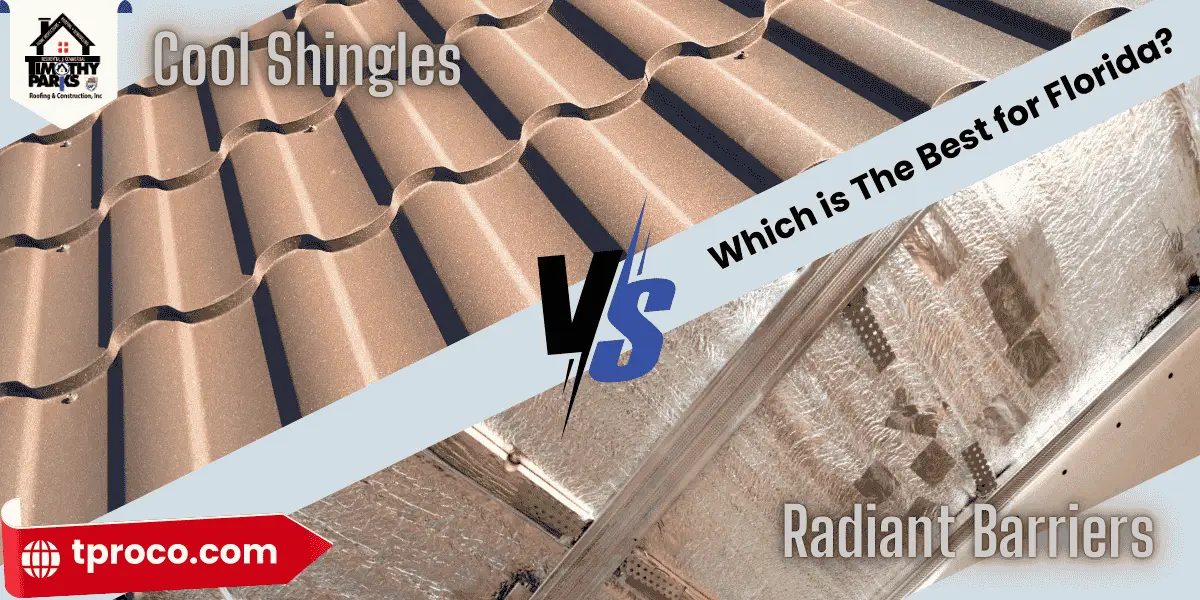
The Basics of Cool Shingles vs. Radiant Barriers
1. Cool (Reflective) Shingles
Surface Reflection: Special granules bounce sunlight away, reducing roof surface temps.
Color Influence: Lighter hues typically reflect more; darker “cool” products rely on high-tech pigments.
2. Radiant Barriers
Under-Deck Foil or Coating: Placed on the attic side of the roof decking, reflecting heat downward.
Air Gap Required: Radiant barriers must face an air space to be effective.
How Each Controls Attic Heat
1. Reflective Shingles
Heat Stopped Up Top: Less solar gain on the roof’s outer layer lowers shingle and attic temperatures.
Direct Sun Shield: Immediately reduces thermal load entering the attic.
2. Radiant Barriers
Interior Reflection: Prevents radiant heat from radiating into attic air.
Existing Shingle Neutrality: Works regardless of shingle color, though black or dark shingles see bigger improvements.
Benefits & Drawbacks of Reflective Shingles
Benefits:
- Simplicity: No extra attic installation—just choose shingles rated by ENERGY STAR® or CRRC.
- Potential Rebates: Some utilities or programs offer incentives for “cool roof” materials.
- Lower Roof Surface Temps: Can slow aging of shingles and underlayment.
Drawbacks:
- Color Availability: Options have expanded, but certain aesthetic preferences may not be available in cool formulations.
- Limited Impact on Existing Roofs: Typically a re-roof scenario—hard to swap just the top layer.
Benefits & Drawbacks of Radiant Barriers
Benefits:
- Works with Any Roofing Material: Ideal if you prefer dark shingles for style or code reasons.
- Flexible Installation: Can be added during new construction or retrofitted (though easier with open attic access).
- Significant Attic Heat Reduction: Particularly noticeable in older homes with minimal insulation.
Drawbacks:
- Installation Logistics: Requires an accessible attic. Retrofits may be time-consuming.
- Dust Accumulation: Over time, attic dust can degrade foil reflectivity, reducing performance.
- No Exterior Shingle Benefit: Doesn’t lower roof surface temps, so shingles may still age faster if they’re dark.
Cost & ROI Considerations
1. Upfront Expenses
- Reflective Shingles: Typically $1–$3 more per bundle compared to standard shingles. Overall re-roof cost might rise by 5–10%.
- Radiant Barriers: $0.15–$0.30 per sq. ft. for materials. Labor varies depending on attic accessibility.
2. Energy Savings
- Shingle Impact: Studies show 10–15% AC load reduction under peak sun.
- Radiant Barrier Impact: Can cut attic temps by 15–20°F, translating to 5–10% energy savings.
3. Long-Term Maintenance
- Cool Shingles: Minimal extra care beyond normal roof checks.
- Foil Barriers: Might need occasional dusting or re-stapling if sections come loose.
4. Insurance & Rebates
- Wind Mitigation: Doesn’t apply directly to heat-reflective solutions, but some carriers appreciate roof upgrades.
- Local Incentives: Vary widely—some counties encourage energy-efficient upgrades.
Installation Insights
1. New Construction or Re-Roof
- Cool Shingle Seamlessness: Best installed when replacing the entire roof—coordinate with a licensed roofer.
- Barrier Placement: Many builders add radiant barrier sheathing from the start, saving retrofitting headaches.
2. Retrofits
- Shingle Swap Complexity: Removing and discarding old shingles plus underlayment means higher labor costs.
- Attic Foil Addition: Hanging radiant foil below rafters can be a DIY project—just mind staple guns, overhead wiring, and code aspects.
3. Combining Both
- Maximized Cooling: Reflective shingles + radiant barrier tackle heat on two fronts, especially beneficial if your home has poor insulation or a big attic.
- Budget & ROI: Doubling up might yield diminishing returns unless you have high AC usage.
Conclusion
🌡️ In Florida’s relentless heat, both reflective shingles and radiant barriers can cut attic temperatures and potentially lower cooling bills. Cool roof shingles prevent solar energy from saturating the roof surface, while radiant barriers bounce radiant heat away from your living spaces. Each solution excels under different circumstances: if you’re due for a roof replacement, opt for high-reflectance shingles; if your roof is still in decent shape, installing a radiant barrier can be the easier fix. Combining them can yield the strongest results for those looking to beat the Florida heat. Ultimately, weigh upfront costs, attic accessibility, and your home’s existing insulation to decide which approach—if not both—delivers the best comfort and savings.
Frequently Asked Questions (FAQ)
1Do cool shingles or radiant barriers lower attic temperatures more effectively?Both solutions reduce attic heat but in different ways. Cool shingles reflect sunlight at the roof surface, reducing the amount of heat that enters your home. Radiant barriers, on the other hand, block radiant heat from transferring into the attic. In Florida’s climate, combining both can yield the best results—cool shingles prevent heat buildup on the roof, while radiant barriers reduce heat radiation inside the attic.2Which is more cost-effective: cool shingles or radiant barriers?The cost-effectiveness depends on your home’s setup. Cool shingles add about 5–10% to total re-roofing costs, while radiant barriers cost between $0.15–$0.30 per sq. ft. for materials. If you're already replacing your roof, cool shingles are a great investment. If your roof is in good condition, installing a radiant barrier can provide savings without the expense of re-roofing.3Can I install radiant barriers or cool shingles on my existing roof?Cool shingles require a full roof replacement, so they’re best for new roofs or planned re-roofs. Radiant barriers, however, can be added to existing homes as a retrofit, making them a flexible solution. If you have attic access, you can staple foil barriers beneath the roof decking, though a professional installation ensures the best results.4Will installing either option lower my energy bills?Yes! Cool shingles can reduce AC cooling loads by 10–15% by keeping the roof surface cooler. Radiant barriers can lower attic temperatures by 15–20°F, leading to 5–10% energy savings. Savings depend on factors like attic insulation, ventilation, and overall roof condition.5Can I use both cool shingles and a radiant barrier for maximum energy efficiency?Absolutely! Using both solutions together enhances energy efficiency by reducing heat absorption at the roof’s surface (cool shingles) and preventing radiant heat transfer into the attic (radiant barrier). This combination is ideal for Florida homeowners dealing with extreme heat, especially in older homes with less insulation.Ready to Cool Your Florida Home?
Share your experiences or questions about reflective shingles vs. radiant barriers below. Tag us using:
#tproco #tppro #tprci #urro #rrfl
#CoolRoof #RadiantBarrier #FloridaClimate#TampaEnergy #OrlandoHomeTips #SunshineState
Schedule a Roof InspectionAbout the Author

Timothy Parks
CEO
Timothy Parks offers 45+ years of specialized construction and roofing experience, with 29 years meeting Florida’s climate demands. Holding state licenses CBC059592 (Builder), CCC1327217 (Roofer), and HI4878 (Home Inspector), he’s also known for organizing “Sparky’s D.IR.T. (Delve Into Rough Terrain)”, a notable MTB race in Rock Island, IL—demonstrating his passion both on and off the roof.