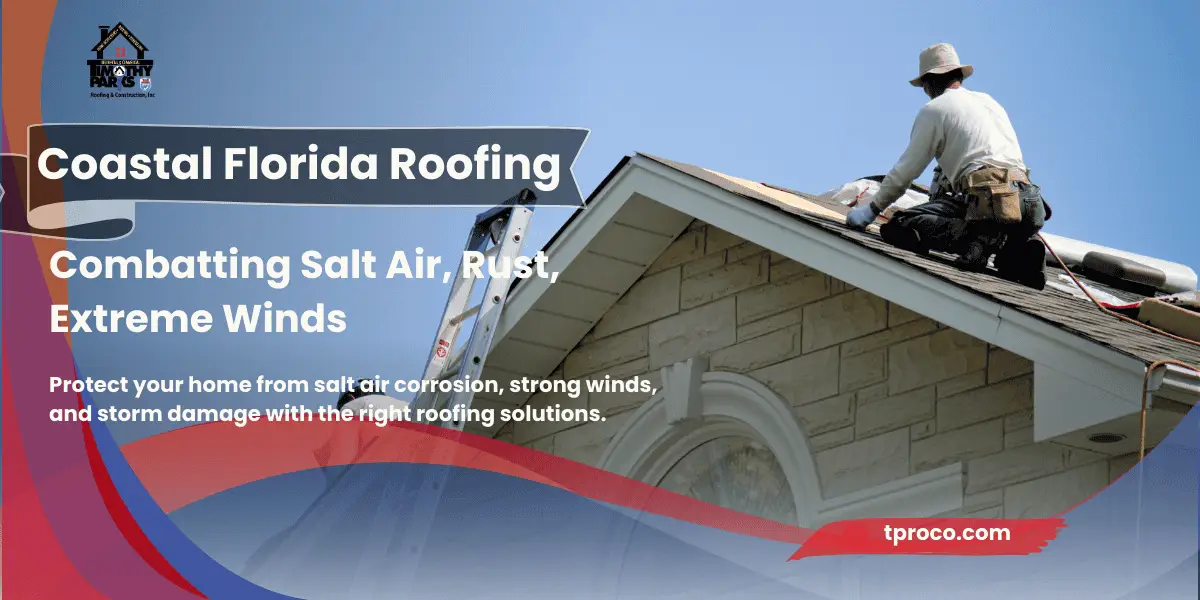
🌊 Living in a coastal region of Florida brings breathtaking ocean views, refreshing breezes, and a laid-back beach lifestyle. Yet for your roof, this proximity to the sea is not always so kind. Constant exposure to salty, moisture-laden air can corrode certain metals, while the high humidity fosters algae or mildew growth on shingles. Add to that the threat of gale-force winds and hurricanes, and it’s easy to see why coastal roofing requires special attention and materials. In this blog, we’ll dive into how salt-induced corrosion occurs, which roofing options endure the coast’s harshness, and how to maintain your roof so it stands firm against Florida’s stormy skies. By the end, you’ll know exactly how to keep your seaside sanctuary secure for decades.
1. Understanding the Coastal Climate’s Impact on Roofing
The coastal environment is a double-edged sword: on one hand, you have mild winters and sunny days; on the other, salt air and humidity that relentlessly attack your roof’s materials. Here’s a breakdown of the major concerns:
- Salt Air & Corrosion: Salty aerosols cling to metal surfaces, accelerating oxidation, often starting at small scratches or weak points in protective coatings.
- High Humidity Levels: Florida humidity can exceed 80–90% regularly, keeping roofs perpetually damp. This dampness encourages the growth of algae or moss, especially on shaded rooftop areas.
- Gale-Force Winds & Hurricanes: Coastal areas endure some of the fiercest winds in the state, which can lift shingles, bend flashing, or even pry off entire panels if they’re not securely fastened. During hurricane season (June–November), these threats intensify.
- UV Exposure: Florida’s sunshine is intense, quickly degrading paints, sealants, and asphalt granules if they’re not UV-stabilized. Near the coast, the combination of sun and salt-laden moisture can expedite this wear-and-tear process.
Altogether, coastal conditions demand a roofing approach that prioritizes corrosion resistance, thorough sealing, and reinforcement against extreme winds. Even a small oversight—like using standard steel screws—can lead to early rust or roof leaks if the hardware corrodes prematurely. Understanding these factors is your first step toward implementing a roof designed to withstand the demands of a seaside climate.
2. Choosing Materials Suited for Salt Air & Moisture
Not all roofing materials cope equally well with the salty environment. Selecting products engineered for coastal performance is crucial to ensure longevity and minimize upkeep. Common options include:
Metal Roofing (Aluminum, Galvalume, or Stainless)
- Corrosion Resistance: Aluminum stands out for resisting salt-induced oxidation when paired with a top-notch paint or anodized finish. Galvalume steel—a steel core coated with aluminum-zinc alloy—also performs well if maintained. Stainless steel is extremely rust-resistant but can be more expensive.
- Wind-Rated Panels: Many metal roofs are tested to endure 140–160 mph gusts, ideal for hurricane zones.
- Reflective Coatings: Light-colored or reflective coatings help reduce attic heat absorption, trimming AC bills.
Concrete or Clay Tiles
- Salt Impervious: The tile itself doesn’t rust or degrade from salt. Metal under-flashings and fasteners, however, must be corrosion-proof or replaced if they show signs of rust.
- Long Lifespan: Properly installed tile roofs often exceed 40–50 years of service, though they’re heavier and costlier up front.
Synthetic Shingles & Polymer Composites
- Custom-Engineered: Manufacturers blend polymers to resist moisture, algae, and UV rays. These shingles frequently come with wind and impact-resistant ratings suitable for coastal storms.
- Appearance Variety: Some mimic cedar shakes or slate but weigh less and often last longer in humid conditions.
Each material has unique pros and cons, but all can thrive in coastal Florida if installed with top-quality fasteners, underlayment, and periodic checks for salt buildup or corrosion around edges.
4. Battling High Winds & Hurricanes
Coastal wind speeds can spike well above inland levels, especially during tropical storms or hurricanes. A roof that resists uplift is essential. Focus on these wind-defense tactics:
- Code-Compliant Fastening: Use nails or screws at the densities mandated by Florida building codes. Hurricane-prone counties may require extra nails per shingle or specialized metal panel clips.
- Hurricane Straps & Clips: Reinforcing the connection between your roof’s rafters or trusses and the walls can drastically lower the chance of uplift in extreme winds.
- Secondary Water Barriers: Peel-and-stick membranes under shingles or tiles help keep water out if surface materials tear off, buying time before a total roof failure.
Periodic roof inspections before and after hurricane season help you catch small vulnerabilities like loose flashing or lifted shingles that strong gusts could exploit. Also, trim back any tree limbs that could snap and smash into your roof under violent winds. Preparation is everything in Florida’s coastal storm belt.
5. Dealing With Algae, Moss, and Coastal Grime
Algae and moss flourish in humid climates, especially if you have areas of constant shade. Left unchecked, these organisms hold moisture against shingles, accelerating wear or loosening granules. On metal roofs, algae can create slippery film and trap salty deposits that corrode unprotected spots.
Routine cleaning (preferably soft washing to avoid shingle granule loss or panel scratching) can minimize organic buildup. Some homeowners install copper or zinc strips near ridgelines; the ions wash down in rainwater, inhibiting algae growth. If you notice greenish streaks or dark patches, address them early to preserve your roof’s aesthetics and prevent structural damage.
Conclusion
🌊 Coastal Florida roofing demands resilience against salt corrosion, relentless humidity, and punishing winds. By selecting rust-resistant metals like aluminum or galvalume, diligently rinsing and inspecting for salt buildup, and reinforcing your roof’s underlayment and fasteners for hurricane season, you’ll stand a far better chance of enjoying that seaside serenity without the stress of premature roof failure. A well-chosen, well-maintained coastal roof can stand up to sea spray and gales for decades, proving that oceanfront living, while challenging for your home’s exterior, remains well within reach with the right strategies.
Frequently Asked Questions (FAQ)
1How often should I rinse a metal roof near the shore?Ideally monthly or at least quarterly with fresh water to remove salt deposits that cause corrosion.2Do clay tiles degrade under salty air?The tiles themselves resist salt, but the underlying metal nails or flashings can corrode if not stainless or well-coated.3Are synthetic shingles a good match for hurricane winds?Yes—many synthetic lines have high wind ratings (130+ mph). Always confirm the product’s specific Florida code approvals.4Can algae or moss ruin a roof’s surface?Is a secondary water barrier necessary if I have top-grade shingles?5Is a secondary water barrier necessary if I have top-grade shingles?Highly recommended in hurricane zones. If surface shingles tear off, it’s your best defense against interior leaks.Ready for a Coastal-Strong Roof?
Share your experiences or questions about salt air, storm readiness, and rust prevention below. Tag us on social media with:#tproco #tppro #tprci #urro #rrfl
#CoastalRoofing #SaltAirDefense #FloridaHomes#BeachLiving #TampaBay #SunshineState
About the Author

Timothy Parks
CEO
Timothy Parks has accumulated over 45 years of industry experience, including 29 in Florida’s coastal and inland regions. Licensed as CBC059592 (Builder), CCC1327217 (Roofer), and HI4878 (Home Inspector), he specializes in bridging real-world building expertise with weatherproofing solutions for harsh climates. Beyond roofing, Timothy once successfully promoted “Sparky’s D.IR.T. (Delve Into Rough Terrain)” MTB race in Rock Island, IL—a testament to his broad interests and community-driven initiatives.