Hailstorms can strike unexpectedly, leaving behind significant damage to homes, especially roofs. While some hail damage is obvious, such as missing shingles or dents, other signs may be subtle and go unnoticed until leaks or structural issues appear. Ignoring hail damage can lead to costly repairs, mold growth, and decreased home value.
In this guide, you’ll learn:
- How to identify hail damage on your roof
- The differences between minor and severe damage
- When to call a professional for an inspection
- How to prevent hail damage in the future
- What to know about filing an insurance claim
By the end of this article, you’ll have the knowledge to protect your home from hail damage and make informed decisions regarding repairs or replacements.
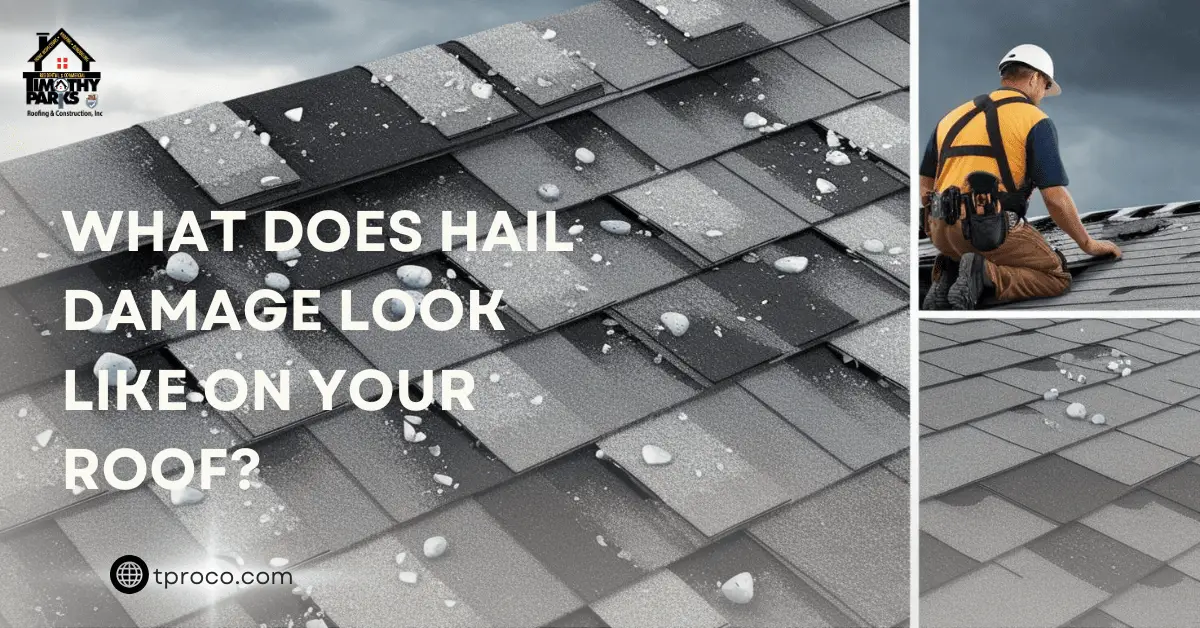
What Does Hail Damage Look Like on a Roof?
Hail damage can appear in various forms, depending on your roofing material and the intensity of the storm. Here’s how different roofing materials react to hail impacts:
Hail Damage on Different Roofing Materials
- Asphalt Shingles: Granule loss, bruising, cracking, and exposed roofing mat. Over time, this damage can lead to water leaks and structural issues.
- Metal Roofs: Small dents, paint chipping, and rust over time. If hail damage is severe, metal panels can weaken and require replacement.
- Wood Shingles: Splits with sharp edges, impact marks, and discoloration. Unlike other materials, wood shingles can rot quickly if moisture seeps in.
- Tile & Slate Roofs: Cracking, chipping, or complete breakage. Unlike asphalt, damaged tile roofs often need full replacement rather than repairs.
Other Areas That Show Hail Damage
Hail doesn’t just affect your roof; look for damage in these areas as well:
- Gutters & Downspouts: Dents and blockages from displaced granules.
- Siding & Windows: Cracks, dents, or broken glass.
Outdoor Units: Air conditioning units, decks, and patio furniture may also sustain damage.
How to Perform a DIY Roof Inspection
Before calling a professional, you can conduct a basic inspection to assess potential hail damage.
Safe Ways to Check for Damage
- Use Binoculars: Observe your roof from the ground to look for dents or missing shingles.
- Check Your Attic: Look for signs of leaks or water damage.
- Walk Around Your Home: Inspect gutters, siding, and outdoor fixtures for signs of impact.
Checklist for Spotting Hail Damage
✔️ Dents on soft metal surfaces (gutters, vents, flashing)
✔️ Granule loss in gutters or at downspout exits
✔️ Dark spots or bruises on shingles
✔️ Cracked, broken, or missing shingles
✔️ Leaks or moisture stains inside your home
If you notice any of these signs, it’s best to contact a professional for a comprehensive roof inspection.
Signs You Need a Professional Roof Inspection
While DIY inspections can help, some hail damage isn’t immediately visible. Call a roofing expert if:
- You see widespread granule loss on shingles.
- There are visible dents on flashing, vents, or skylights.
- Water leaks appear inside your home.
- Your neighbors’ roofs are being repaired or replaced after a storm.
A professional roofer will perform a thorough assessment to determine the extent of the damage and provide recommendations for repairs or replacement.
Can Hail Damage Lead to a Roof Leak?
Yes! Even small hail impacts can weaken your roof, making it more vulnerable to water infiltration over time. Damage to shingles allows moisture to seep through, leading to:
- Mold and mildew growth
- Ceiling stains and interior water damage
- Compromised insulation and increased energy costs
Addressing hail damage as soon as possible can prevent these long-term issues.
How to Prevent Hail Damage
Although you can’t stop hail from falling, you can take steps to minimize roof damage.
Choosing Impact-Resistant Roofing Materials
Consider Class 4 impact-resistant shingles, which are designed to withstand hail impact better than standard shingles.
Adding Protective Coatings
Some sealants and coatings can add extra protection to your roof, reducing the effects of hail impact.
Installing Hail Guards & Barriers
If you live in a hail-prone area, installing storm shutters, reinforced roof decking, and impact-resistant underlayment can offer added protection.
Conclusion
Identifying hail damage early can save you thousands in repairs. By understanding the signs, performing inspections, and taking preventative measures, you can extend your roof’s lifespan and avoid costly replacements. If you suspect hail damage, don’t delay—schedule roof inspection today!
FAQ's
1How can you tell if a roof is damaged by hail?If your roof has been hit by hail, look for soft bruises, missing granules, or visible dents. A professional inspection from our team at Timothy Parks Roofing & Construction Inc. can ensure your roof remains secure and damage-free. Schedule your roof inspection today!2What does hail damage look like on shingles?Hail damage typically results in granule loss, cracks, and misalignment of shingles. These small but impactful damages can lead to costly repairs if ignored. Let our experts assess the condition of your roof and recommend the best course of action for repairs or replacement.3How long do I have to report hail damage on my roof?Most insurance companies require hail damage claims to be filed within one year of the storm. However, each policy varies, so it’s crucial to act fast. Contact us immediately for an inspection and assistance with your insurance claim process.4Do I really need to replace my roof after hail?Not all hail damage requires a full replacement. If the damage is minor, repairs may suffice. However, extensive damage compromises your roof’s integrity. Our professional roofing experts can help you determine the best solution—whether it’s a repair or full roof replacement.5How bad is hail damage on a roof?Hail damage may seem minor at first but can cause significant long-term issues like leaks, mold, and structural damage. Don’t take the risk—our skilled team can inspect your roof and provide a long-lasting solution. Contact us today for a free hail damage evaluation!Request An Inspection TODAY
Latest News
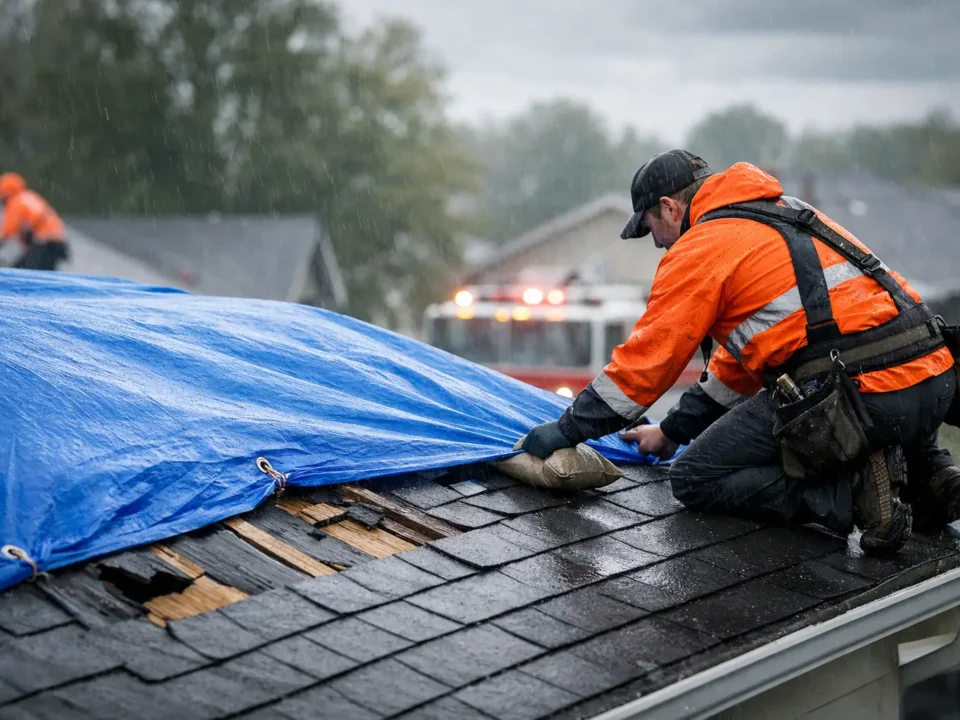
When You Need Emergency Roof Tarp Service
April 3, 20260
Best Roofing Materials for Florida Homes (2025 Guide)
July 3, 20251Best Roofing Materials: A Comprehensive Guide on Costs, Pros, and Cons
July 3, 20250
Green Roofing in Florida: Eco-Friendly Options & Their Surprising Benefits 🌱
June 8, 20251
Florida Roof Wind Mitigation Updates: New Rules & Insurance Benefits 💨
June 8, 20251