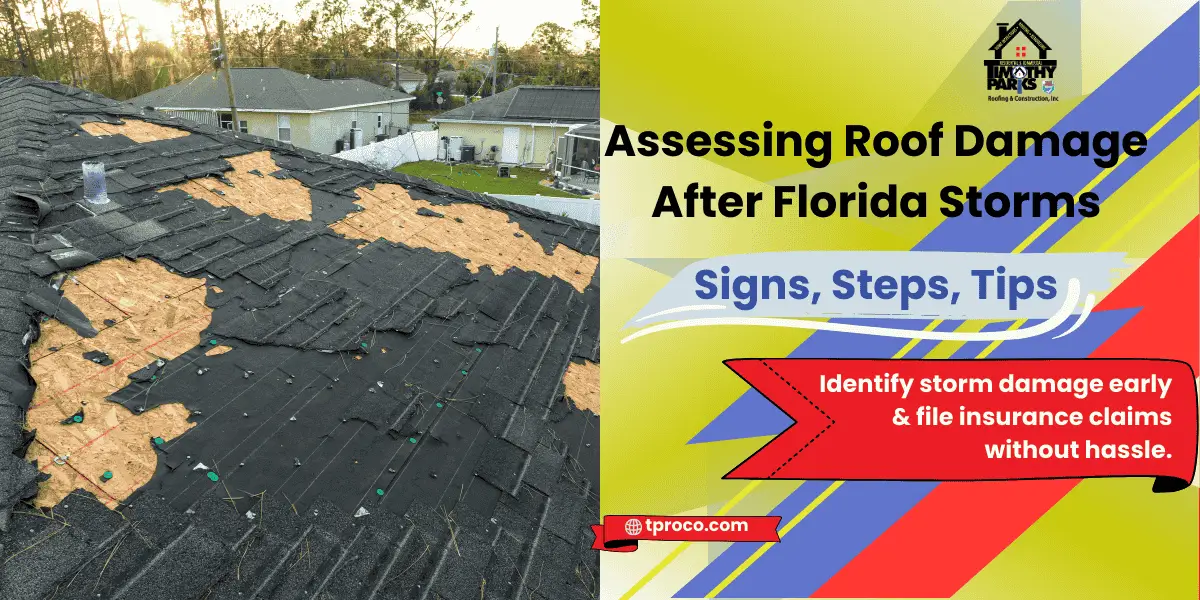
🌪️ Florida’s weather can switch from sunny skies to violent storms within hours, unleashing torrential rain, powerful wind gusts, and flying debris. After these intense episodes, the most vulnerable part of your home is often the roof. Even a minor tear or missing shingle can escalate into a major leak if not discovered quickly. In this guide, we’ll help you identify common signs of storm damage, explain when a DIY inspection suffices versus when to call a professional, and outline the insurance claim process so you can ensure fair compensation. Arm yourself with this knowledge, and you’ll handle post-storm stress with far more confidence.
Why Post-Storm Roof Checks Are Crucial
Storm damage isn’t always as obvious as a big hole in your roof or a tree branch lodged in your attic. High winds can loosen shingles or peel back corners that appear intact from the ground. Hail might crack tile surfaces or dent metal panels, weakening their protective layers over time. Water intrusion can be stealthy, especially if it trickles under flashing or seeps through small punctures, only becoming noticeable once you spot a brownish stain on your ceiling weeks later.
In Florida’s climate, neglecting even minor storm damage can set off a domino effect. Warm, moist conditions lead to mold growth around damp insulation, causing respiratory issues and further structural decay. If you delay too long, an initially small repair might balloon into a full-blown roof replacement. Insurance policies also include strict reporting windows—sometimes as short as 14 days—making prompt detection and documentation vital for a successful claim. By inspecting your roof soon after a major storm, you protect your home from compounding damage, maintain healthy indoor air, and strengthen your position if you need to file an insurance claim for covered losses.
Common Signs of Roof Damage
- Missing or Lifted Shingles: Look for bare spots where shingles should be or corners that stick up. Sometimes they curl instead of fully ripping off. Use binoculars to scan from ground level or a safe vantage point—never climb a wet or steep roof unprepared.
- Granule Loss: After storms, check gutters and downspouts for excessive shingle granules. An abundance indicates shingle surfaces have worn away, reducing their protective lifespan.
- Cracked or Chipped Tiles: Hail, debris, or even wind-blown branches can fracture clay or concrete tiles. Such cracks expand under moisture and heat cycles, eventually exposing the underlayment.
- Dented Metal Panels: Hail or flying objects can dent metal roofs, weakening the finish or causing micro-fractures in coatings. Minor dents might be cosmetic, but deeper impacts risk future rust or leaks.
- Damage Around Flashing or Vents: Strong gusts can lift flashing edges. Inspect around chimneys, skylights, vent pipes, or AC curbs for gaps where water might seep in.
- Interior Stains or Drips: Brownish rings on ceilings, peeling paint near rafters, or moldy smells suggest a hidden leak—often triggered by storm-damaged areas. Don’t ignore these signals, as they could mean compromised roof sections overhead.
These indicators can be subtle, so methodically checking each zone is essential. Early discovery keeps repair bills manageable and insurance claims straightforward.
DIY vs. Professional Inspections
1. DIY Checks:
Right after a storm, you can conduct a basic inspection from the ground using binoculars, looking for missing shingles, hail divots, or obvious tile cracks. Indoors, check your attic for wet insulation, drips, or daylight piercing through the decking. Small flashlights can help you spot water trails on rafters. This quick approach uncovers glaring issues without risking a dangerous climb. However, it may not catch subtle damage—like small cracks in tiles or lifted edges that appear normal unless examined up close.
2. Professional Roof Inspection:
If the storm was severe or you suspect deeper issues, hiring a licensed Florida roofer ensures thorough damage assessment. They’ll safely walk the roof (with harnesses on steep pitches, if needed), test areas for soft spots, and check sealing around vents or chimneys. This comprehensive approach is invaluable for insurance claims—many carriers request a detailed roofing contractor’s report and photos. A pro may also identify pre-existing wear that worsened during the storm, clarifying if it’s covered by your policy. While a professional inspection has a cost, it frequently pays for itself if significant repairs or claims are needed.
Filing an Insurance Claim: Steps & Pitfalls
1. Document Thoroughly:
Take time-stamped photos or videos of the roof post-storm—broken shingles, scattered debris, interior water stains—plus any “before” images if you have them. If you hire a professional inspection, request written findings with cost estimates.
2. Contact Your Insurer Promptly:
Many policies limit how long you have to file a claim after a storm event, sometimes 14–30 days. The sooner you alert them, the easier it is to prove the damage stems from that specific storm.
3. Temporary Repairs vs. Evidence:
Tarping or covering holes is acceptable to prevent further harm. Just take photos first so the adjuster can verify the initial damage. Avoid permanent fixes until the insurer sees everything (or you risk them denying parts of the claim).
4. Meet the Adjuster:
If you can, be on-site during their inspection. Point out each area of concern. Having your roofer present strengthens your case if the adjuster overlooks something or underestimates repair needs.
5. Keep Receipts & Invoices:
From materials bought for temporary patches to professional reports, file them all. Insurers may reimburse these costs if deemed part of necessary storm response.
Watch for pitfalls like undervaluing adjusters who offer too little for a full roof replacement, or claims denied due to “pre-existing conditions.” Persistence, evidence, and a knowledgeable contractor typically help secure fair coverage.
Short-Term Fixes vs. Full Replacement
Not every storm-damaged roof needs total replacement. If the damage is isolated—say a few shingles torn away or minor flashing separation—professional spot repairs can suffice, especially if the rest of the roof is healthy. These localized fixes might involve new shingles color-matched to older ones, re-sealing vents, or adding fresh underlayment in that area.
However, if a large section of shingles or tiles sustained damage, or your roof is near its end of life, your contractor and insurance adjuster may agree on a full replacement. Attempting partial repairs on an aged roof often leads to mismatched patches and ongoing leak risks. Factor in whether the warranty (material or workmanship) remains valid, or if a brand-new system with improved wind ratings or reflective technology better suits Florida’s climate. Ultimately, weigh the short-term cost savings against long-term reliability—sometimes a full re-roof is the more economical choice over repeated, piecemeal patch-ups.
Conclusion
🌪️ Florida storms can unleash sudden, damaging forces on your roof. Spotting missing shingles, faint water stains, or chipped tiles early prevents small problems from snowballing into expensive nightmares. With a balance of DIY scanning and professional insights, you’ll make the insurance claim process smoother and keep repair costs in check. Even if a patch job is enough, always remain vigilant: future storms can quickly exploit any overlooked weak spots. A mindful post-storm routine—coupled with adequate documentation—ensures your roof weathers Florida’s most volatile conditions, safeguarding your family and preserving your home’s structural integrity.
Frequently Asked Questions (FAQ)
1Should I call my insurance before or after a roofer inspects storm damage?Generally, a roofer’s inspection first provides a detailed report—helpful when talking to the insurer. Some policies demand quick notice, though, so don’t delay too long.2Is minor shingle loss worth filing a claim?If repair costs exceed your deductible, it can be. But weigh the impact on future premiums if the damage is only superficial.3How soon must I file a storm claim in Florida?Policies vary; some require notification within days. Read your policy’s fine print and act quickly.4Could partial re-roofing cause color mismatches?Absolutely. If aesthetics matter, discuss it with your insurer—sometimes a full replacement is approved to ensure consistency.5Do I need a public adjuster for large claims?Not mandatory, but a public adjuster can help negotiate if you suspect underpayment or disputes with the insurer.🌪️ Think Your Roof Took a Hit After a Storm?
Florida storms can leave hidden roof damage! Learn the warning signs, inspection steps, and insurance claim tips to protect your home and get the coverage you deserve.
#tproco #tppro #tprci #urro #rrfl
#StormDamage #RoofInspection #FloridaHome #TampaStorms #OrlandoRepairs #SunshineState
Schedule a Roof InspectionAbout the Author

Timothy Parks
CEO
Timothy Parks delivers 45+ years of construction and roofing expertise, including 29 in Florida’s high-wind, high-humidity environment. Licensed under CBC059592 (Builder), CCC1327217 (Roofer), and HI4878 (Home Inspector), Timothy once successfully promoted “Sparky’s D.IR.T. (Delve Into Rough Terrain)” MTB race in Rock Island, IL, blending organizational savvy with hands-on knowledge. Today, he focuses on protecting Florida homes from the inevitable storm onslaught, helping homeowners navigate both preventive measures and post-disaster claims.